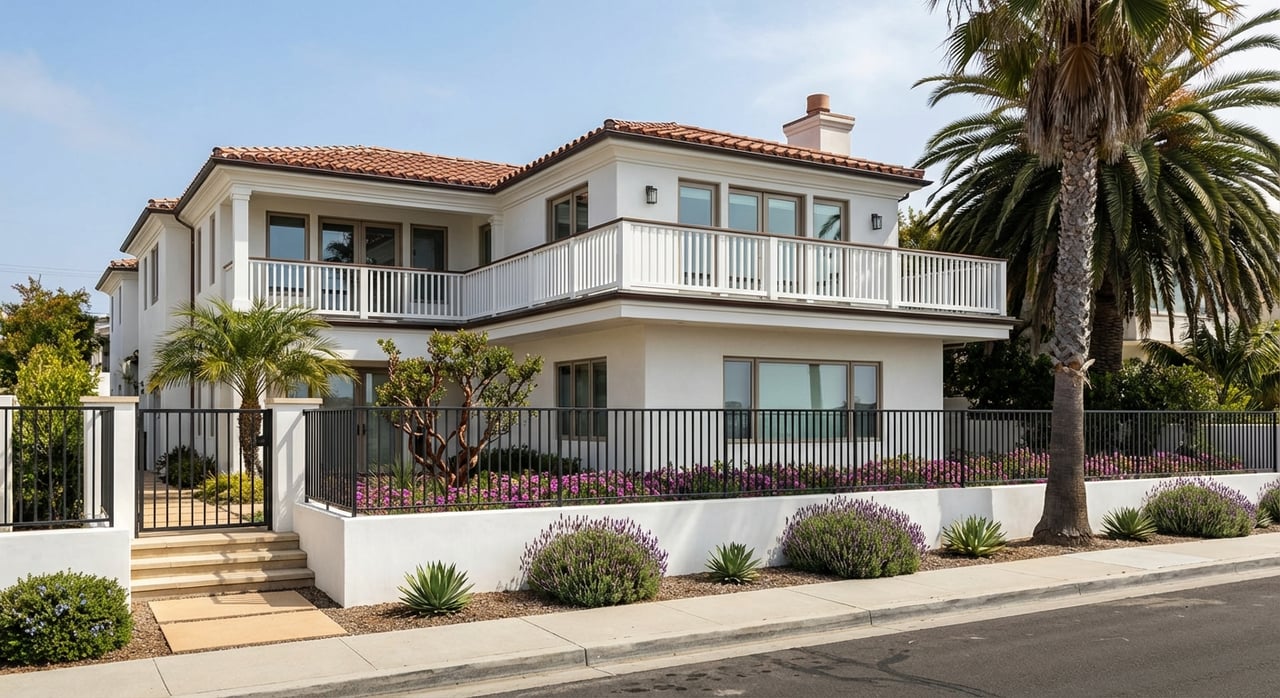
Pacific Beach HOA Fees for Condos: A Clear Guide
January 15, 2026
January 15, 2026
Thinking about buying a condo in Pacific Beach, but not sure what those HOA fees really cover? You are not alone. HOA dues can feel confusing, and they vary a lot from building to building near the ocean and bay. In this guide, you will learn what HOA fees typically include, why they differ across PB condos, how to spot red flags in the documents, and how to budget with confidence. Let’s dive in.
HOA fees fund the shared costs of keeping your building safe, functional, and well maintained. In most PB condos, dues help pay for routine maintenance, repairs, landscaping, common-area utilities, and management. Fees also cover master insurance for the building’s structure and common areas, along with contributions to the reserve fund for big-ticket replacements.
You may also see line items for pest control, janitorial services, elevator service, window cleaning, legal and accounting, and HOA taxes or administrative costs. Some associations include bulk services like water, sewer, trash, cable, or internet. Always confirm which utilities are included so you can budget accurately.
In a coastal neighborhood like Pacific Beach, salt air speeds up corrosion on metal components, balcony rails, and mechanical systems. Exterior paint, waterproofing, and window seals can need attention more often. Oceanfront buildings can also face higher insurance premiums and more frequent exterior work, which affects monthly dues and reserve planning.
Several factors push HOA fees up or down. Understanding them helps you compare projects fairly.
Older walk-ups and low-rises from the 1970s through 1990s may show modest monthly dues if amenities are minimal. The tradeoff is aging major components like roofs, plumbing, and balconies that can lead to special assessments if reserves are thin. Mid-2000s buildings often strike a balance with moderate fees and better planning.
Newer luxury buildings tend to have higher dues due to amenities and stronger reserve contributions. You may pay more each month, but the risk of near-term special assessments for building systems is often lower if the association is well managed.
The more amenities you have, the more a building spends on operations and reserves. Pools, spas, gyms, lounges, elevators, and secure underground parking all add ongoing costs. If a property has shared HVAC, central hot water, or staffing like a front desk, you will see that reflected in dues.
The closer a building is to the water, the more frequent exterior maintenance tends to be because of salt exposure and wind. Oceanfront condos often require more inspections and larger future projects for waterproofing, railings, and exterior finishes. Insurance can also be higher for coastal exposure, and some owners consider flood coverage depending on location and lender requirements.
A reserve fund is the association’s savings account for predictable big projects. Think roof replacement, elevator modernization, exterior painting, deck waterproofing, or plumbing risers. A professional reserve study estimates component lifespans, future costs, and recommended yearly contributions.
Associations typically update reserve studies every few years. A healthy plan tracks what is coming due in the next 0 to 5 years and keeps funding on pace. You will often see a metric called percent funded, which compares current savings to what should be set aside for the building’s age and condition.
Special assessments are one-time charges to cover major work when reserves and the annual budget fall short. Common triggers include water intrusion repairs, emergency structural work, elevator replacements, or a large project that was not funded in time. Boards can sometimes levy smaller assessments on their own, while larger ones may require an owner vote. The exact rules live in the CC&Rs and Bylaws.
Red flags to watch for:
Requesting documents early helps you avoid surprises. Ask the seller or HOA manager for:
As you review, confirm whether the master policy is bare walls or includes certain interior finishes, and then plan your HO-6 condo policy accordingly. Look at how close annual reserve contributions are to the study’s recommendation. Note the size and frequency of dues increases over the last few years.
Every building is different, but recent observations across PB show common patterns. Use these ranges as a starting point, then verify with current listings and HOA documents.
What can push fees higher:
What can keep fees lower:
For a fair comparison, group buildings by age, amenity level, and proximity to the water. Compare dues within those groups rather than across very different property types.
Use this quick process when you have a short list:
A clear budget helps you shop with confidence and avoid overextending. Add these items for a realistic monthly number:
If you rely on a specific loan program, know that lenders check project health factors like budget adequacy, owner occupancy, and litigation. High dues or frequent assessments can influence underwriting and your debt-to-income ratio. Request HOA documents early and share them with your lender if needed.
It is tempting to chase the lowest monthly dues, but that can backfire. An older building near the ocean with minimal dues may be underfunding reserves, which increases the odds of a special assessment. A well-managed association that collects adequate reserves may show higher monthly fees but offer more predictable long-term costs.
Focus on total cost of ownership. Factor in dues, planned projects, assessment risk, and insurance coverage details. A strong reserve plan and clear funding path usually signal better stewardship of the building, which protects your budget over time.
When you have a trusted local expert in your corner, HOA documents become clearer and comparisons get easier. If you want help requesting the right reports, reading reserve studies, and comparing oceanfront versus inland buildings by total cost, connect with Sophia Russo. You will get responsive, transparent guidance tailored to your goals.
Stay up to date on the latest real estate trends.
Start your San Diego move with confidence. Connect with Sophia today and get clear guidance, honest support, and a strategy tailored to your next big step.