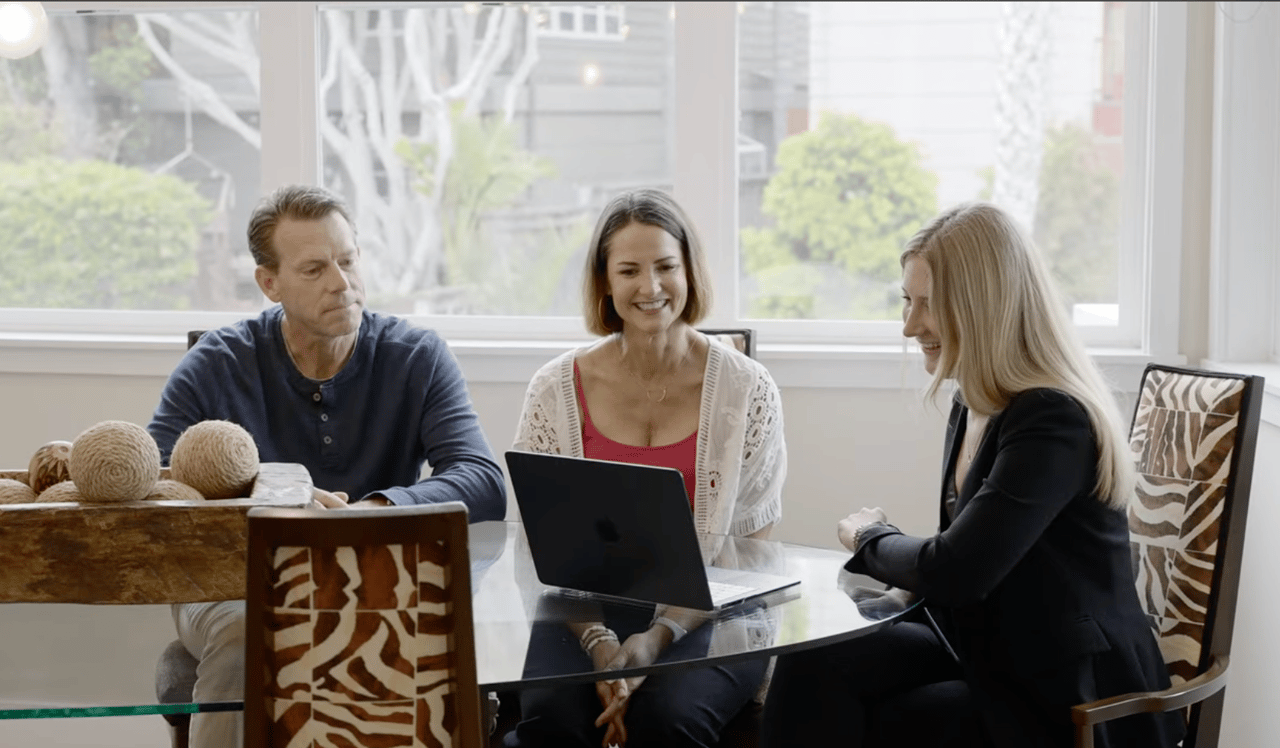
10 Questions to Ask Before Hiring a San Diego Listing Agent
Selling Your Home Sophia Russo November 11, 2026
Before hiring a listing agent, ask how they would price your home, prepare it for sale, market it, communicate with you, negotiate offers, and manage the transaction through closing. You should also understand their fees and your estimated proceeds before signing a listing agreement.
Selling your home involves more than choosing a listing price. Your timeline, the condition of the property, and what you plan to do next should all shape the approach.
I’m Sophia Russo, a real estate agent with Compass serving La Jolla, Pacific Beach, and coastal San Diego communities. My approach is to help you understand your options, have honest conversations about the decisions ahead, and feel comfortable asking questions throughout the process.
Whether you’re selling a condo in Pacific Beach, a home in Bird Rock, or an ocean-view property in La Jolla, here are 10 questions to bring to your listing appointment.
A listing agent should explain their recommended price using relevant comparable sales, competing listings, and your home’s individual features.
Ask which properties they selected and why. A useful pricing conversation should go beyond a neighborhood average or an automated online estimate.
For a coastal San Diego property, I would want to discuss details such as:
A rooftop deck or proximity to the beach may help tell the home’s story, but the pricing recommendation still needs support from the market.
A helpful follow-up: “Which homes will buyers compare with mine, and how does my home stack up?”
You should leave understanding the suggested price, the alternatives, and the tradeoffs.
Your agent should help you prioritize preparation based on your home’s condition, your budget, and your timeline.
Before committing to a renovation, ask what the work is intended to accomplish. Will it improve how the home photographs? Address a visible maintenance concern? Help buyers understand how a room can function?
The preparation discussion might include:
My goal in this conversation is to help you decide where spending makes sense. Each recommendation should have a clear purpose, and you should understand which items are optional.
A helpful follow-up: “If I have a limited preparation budget, what would you prioritize first?”
Ask for a marketing plan tailored to your property, including how the home will be presented, where it will be promoted, and how inquiries will be handled.
Photography and online exposure are important parts of that discussion, but you should also ask what the marketing will actually communicate.
For example, a Pacific Beach condo with dedicated parking has a different story to tell than a La Jolla home with ocean views and a large yard. The photos, description, and supporting materials should make those features easy to understand.
Ask about:
Open houses are part of my real estate business, so I would discuss how they could fit into your home’s marketing plan and how we would follow up afterward.
A helpful follow-up: “What would you highlight about my home, and can you show me an example of how you’ve marketed another property?”
Agree on the frequency, method, and main point of contact for updates before signing a listing agreement.
Some sellers prefer a scheduled call. Others like text updates as activity happens, followed by an email summarizing decisions. Let the agent know what works for you.
I want sellers to understand what’s happening and what comes next. Updates should cover more than whether an offer has arrived. Showing feedback, competing listings, upcoming deadlines, and recommendations all deserve attention.
You should also know who else will support the sale. In my business, my transaction coordinator, Deborah Tofflemire, helps with necessary paperwork and file requirements.
A helpful follow-up: “Who should I contact when I have a question about pricing, negotiations, or paperwork?”
Your agent should explain how you’ll review the listing’s performance and decide whether changes are needed.
There isn’t one deadline that makes sense for every property. Ask what activity the agent would expect for your home and when you will evaluate the response together.
That review should consider questions such as:
I would want us to use that information to discuss the next step, whether that involves presentation, access for showings, marketing, or price.
A helpful follow-up: “What information would lead you to recommend a price adjustment?”
Ask how the agent manages inspections, negotiations, contingency deadlines, and coordination with escrow and the buyer’s side.
An accepted offer is a significant step, but there are still decisions to make before closing. You should know how you’ll be kept informed and how potential problems will be addressed.
Discuss how the agent approaches:
My work with buyers and sellers includes inspection issues, repair negotiations, and changes in financing or timing. When something comes up, I want my clients to understand the issue, their available options, and the next decision they need to make.
A helpful follow-up: “Can you explain how you handled a difficult issue during a recent transaction?”
Ask for an estimated seller net sheet showing your potential proceeds after mortgage payoff and anticipated selling costs.
The highest offer price doesn’t tell you everything about an offer’s financial outcome. Buyer credits, agreed compensation, and other expenses also belong in the comparison.
Your estimate may include:
These figures are estimates and may change as details are confirmed.
I would also discuss how different offer terms could affect your proceeds and timing, so you can evaluate the overall proposal.
A helpful follow-up: “Can you show me estimated proceeds at a few different sale prices?”
Ask the agent to explain how their recommendations would reflect your specific goals.
You might need time to find your next home, be managing a sale from another city, or want help coordinating property preparation. Those circumstances should be part of the plan from the beginning.
For me, this starts with understanding why you’re selling, when you would like to move, and what feels most challenging about the process. From there, we can discuss the preparation, communication, and timing that fit your situation.
Listen for specific answers. You should be able to picture what working together would look like.
A helpful follow-up: “What would our first two weeks of working together involve?”
Ask about relevant experience with your neighborhood, property type, price range, and selling circumstances.
Request examples and clarify the agent’s individual role in the transactions they describe.
For a condo sale, you might ask about experience coordinating HOA documents and discussing association-related questions. For a coastal home, you might ask how the agent evaluates differences in views, location, condition, and outdoor space.
I work with buyers and sellers in La Jolla, Pacific Beach, and coastal San Diego communities. I encourage sellers to ask how that experience applies to their particular property.
If you’re also buying your next home, make that part of the conversation early so you can discuss how the two transactions might fit together.
A helpful follow-up: “What challenges would you anticipate with my property or timeline?”
Ask for a clear explanation of compensation, included services, additional expenses, and the terms of the listing agreement.
Real estate agent compensation is negotiable and is not set by law. Sellers can also decide whether to offer compensation to a buyer’s agent. Your agent should explain those choices and obtain the required written authorization before offering or paying buyer-agent compensation.
Before signing, discuss:
You should have the opportunity to review the paperwork and ask questions before committing.
A helpful follow-up: “Can you walk me through the agreement and explain what I would be responsible for?”
A useful listing appointment should leave you with a pricing recommendation you understand, a plan for preparing and marketing your home, and clear expectations about communication and costs.
You should also feel comfortable with the person advising you. Selling can involve unexpected decisions, and being able to ask direct questions matters throughout the transaction.
If you’re thinking about selling in La Jolla, Bird Rock, Pacific Beach, or another coastal San Diego community, I’d be happy to talk through your home, your timeline, and what you hope to accomplish.
Connect with me through sophiarussorealestate.com, and we can discuss your next steps.
Stay up to date on the latest real estate trends.

Buying a Home
How to plan your next move in La Jolla, Pacific Beach, and coastal San Diego.
Selling Your Home
What homeowners in La Jolla, Pacific Beach, and coastal San Diego should budget for before listing.
Buying a Home
Practical guidance on rental eligibility, ownership costs, and guest appeal in La Jolla, Pacific Beach, and coastal San Diego.

Buying a Home
What buyers in La Jolla, Pacific Beach, and coastal San Diego should consider beyond the interest rate.

Buying a Home
Local guidance for buyers moving to La Jolla, Pacific Beach, and coastal San Diego.
Selling Your Home
What sellers in La Jolla, Pacific Beach, and coastal San Diego should ask about pricing, marketing, and choosing the right agent.
Start your San Diego move with confidence. Connect with Sophia today and get clear guidance, honest support, and a strategy tailored to your next big step.