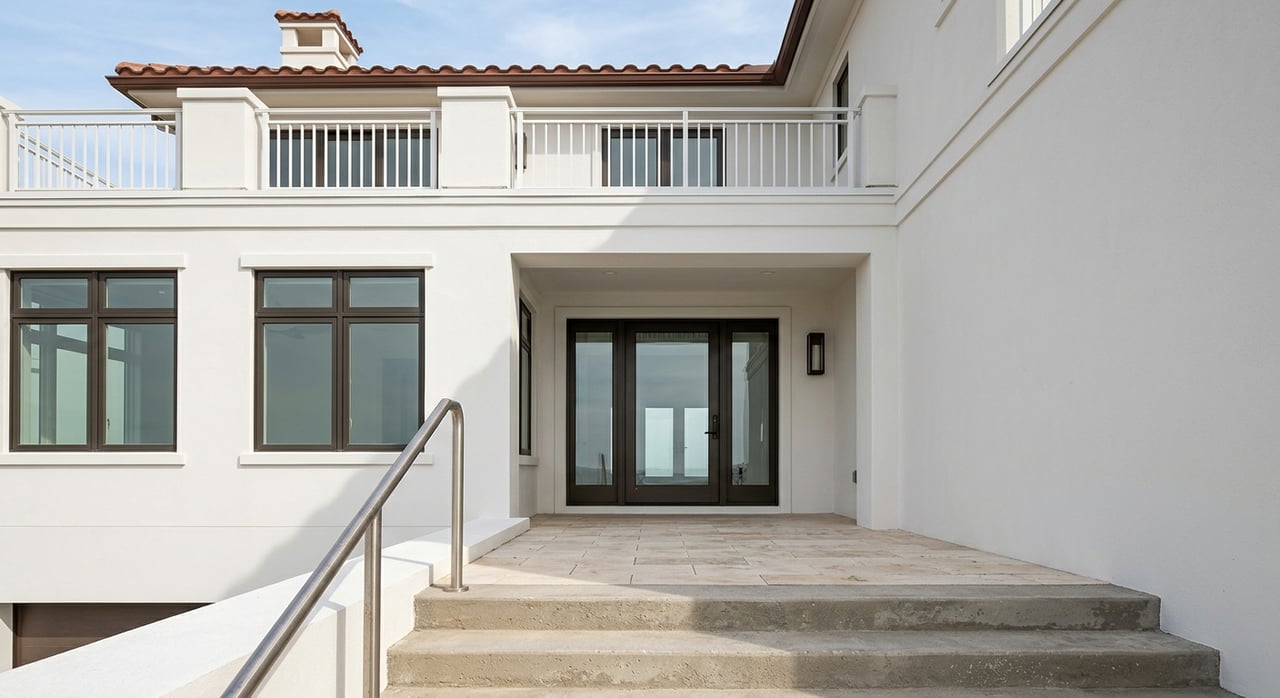
Owning A Second Home Or Getaway In Pacific Beach
July 23, 2026
July 23, 2026
Dreaming about a place near the sand that you can enjoy on your schedule and rent out when you are away? In Pacific Beach, that idea can be very appealing, but it comes with more moving parts than many buyers expect. If you are considering a second home or getaway here, it helps to understand not just the lifestyle, but also the city rules, tax questions, and day-to-day logistics that shape ownership. Let’s dive in.
Pacific Beach offers the mix many second-home buyers want most: coastal access, a lively atmosphere, and everyday convenience. The City of San Diego describes Pacific Beach as a primarily residential coastal community bordered by Mission Beach and Mission Bay to the south and La Jolla to the north.
It is also one of San Diego’s busiest beach areas, especially in summer. Along with the beach itself, the area is known for restaurants, pubs, shops, and easy access to Mission Bay. For you as a buyer, that can mean strong enjoyment value when you are in town and consistent visitor interest when you are not.
That same popularity can also affect ownership in practical ways. More activity often means more attention on parking, noise, and guest behavior, which matters if you plan to use the home as an occasional rental.
A second home in Pacific Beach is not just a lifestyle purchase. If you live out of the area, it is smart to think of it as a property that may need active oversight, especially if you plan to host short-term guests.
San Diego requires short-term residential occupancy properties to have a local contact who can respond to complaints within one hour. The city also requires that local contact information be posted on exterior signage. Because of that, many remote owners choose to designate a property manager as the local contact.
The city also requires certain guest-facing materials for short-term occupancy. That includes a TOT/STRO notice, human-trafficking guidance, and a Good Neighbor Policy. These are the kinds of operating details that can easily get overlooked when you are focused on location, views, and layout.
If your plan includes renting the property for short stays, San Diego’s rules matter right away. The city defines short-term residential occupancy, or STRO, as occupancy of a dwelling unit or part of it for less than one month.
That means even occasional short guest stays can trigger licensing and tax requirements. If a property is rented for less than one month per guest stay, the owner must obtain a Transient Occupancy Tax Certificate and collect and remit TOT.
For Pacific Beach, a whole-home STRO is generally understood as Tier 3 rather than Tier 4. Tier 4 is reserved for Mission Beach, while Pacific Beach is a separate community area north of Mission Beach.
The right tier depends on how you plan to use the property. Before you buy, it helps to match your ownership goals with the city’s structure.
Tier 1 allows part-time short-term rental use of 20 days or less per year. There is no onsite residency requirement for this tier.
This can fit buyers who want a true personal getaway and only plan to rent the home occasionally. It is the lightest-use option, but it is also limited by design.
Tier 2 is for home sharing in the host’s primary residence with the host residing onsite. The city also says a primary-residence host who occupies the home at least 275 days per year may still qualify for Tier 2 while allowing some whole-home use when away.
For most second-home buyers, this tier usually will not fit. If Pacific Beach is not your primary residence, you should be cautious about assuming Tier 2 applies.
Tier 3 covers whole-home short-term rental use outside Mission Beach, which is the category most relevant to many Pacific Beach second-home buyers. This tier comes with important operating requirements.
The city requires Tier 3 hosts to use the license for a minimum of 90 days each year. Quarterly reports are also required, and the city states there is no exception to the 90-day utilization rule.
That is a major point for buyers who picture occasional rentals helping offset costs. If your real plan is very light rental use, Tier 3 may not align with how you want to own the property.
Owning a getaway in Pacific Beach can involve more than mortgage, insurance, and upkeep. If you plan to rent the home short term, city licensing and tax obligations should be part of your upfront math.
San Diego says STRO licenses are not transferable from host to host or from one location to another. They expire two years after issuance and include nonrefundable fees.
Current city guidance lists these fees:
The city also states that owners who rent out all or part of a property for more than six days in a calendar year are responsible for Rental Unit Business Tax. If the host is not the owner, the host must obtain a Business Tax Certificate and remit business tax annually.
San Diego’s transient occupancy tax rules are another key part of the numbers. The city says the TOT rate changed effective May 1, 2025 and now varies by tax zone at 11.75%, 12.75%, or 13.75%.
The applicable rate depends on the property’s tax zone through the city’s lookup map. The city also requires operators to collect TOT at the new rate when rent is collected on or after May 1, 2025.
In addition, the certificate must be posted and the certificate number must appear on advertisements for STRO properties. If you are estimating rental income, these requirements should be built into your plan from the start.
Not every property with extra space gives you the flexibility you might expect. In San Diego, ADUs and JADUs cannot be used for short-term residential occupancy.
That matters if you are shopping for a home with a separate unit, a guest setup, or future conversion potential. A property that looks ideal on paper may not support the short-term rental strategy you had in mind.
This is one of the biggest reasons buyers benefit from evaluating lifestyle goals and use rules at the same time. The right home for personal enjoyment is not always the right home for mixed personal and rental use.
Your lender will likely look closely at how the property will be used. Fannie Mae’s second-home guidance says the property must be occupied by the borrower for some portion of the year, must be a one-unit dwelling suitable for year-round occupancy, must be under the borrower’s exclusive control, and must not be rental property or a timeshare.
Fannie Mae also says a loan can still be eligible as a second home if rental income exists, as long as that income is not used for qualifying purposes and the other second-home requirements are met. This can be helpful if your goal is true personal use first, with limited rental activity second.
There is also an important warning in that guidance. A second home cannot be subject to agreements that give a management firm control over occupancy, so heavy rental use from the outset may point more toward investment-property treatment than second-home treatment.
If you plan to mix personal use with rental use, taxes can get more complicated quickly. IRS Publication 527 states that when a dwelling unit has both personal and rental use, expenses must be divided between those uses, and rental deductions may be limited.
The IRS also has a special rule for homes rented fewer than 15 days during the year. That means you should not assume a Pacific Beach getaway will be taxed like a straightforward full-time rental.
California property taxes are another piece to watch. The California Board of Equalization says that when a change in ownership occurs, the property is generally reassessed to current fair market value as of the ownership change date.
For you, that means the seller’s current tax bill may not be a reliable guide to your future property taxes after closing. Reviewing that shift early can help you avoid surprises in your long-term budget.
Before you move forward, it helps to pressure-test the plan. A beautiful coastal property can still be the wrong fit if the ownership structure does not match your goals.
Ask questions like these during your search:
A clear plan makes it much easier to choose the right property and avoid expensive assumptions.
Pacific Beach can be a great fit if you want a second home that gives you easy beach access, walkable amenities, and a lively coastal setting. It can also offer rental appeal, but only if your use plan fits San Diego’s rules and your financing and tax picture support it.
The biggest mistake buyers make is treating a second home like a simple vacation fantasy. In Pacific Beach, the best outcomes usually come from balancing lifestyle goals with practical planning from day one.
If you want help evaluating Pacific Beach homes with both enjoyment and real-world ownership in mind, Sophia Russo can help you compare options, understand the local market, and move forward with clear guidance.
Stay up to date on the latest real estate trends.
Start your San Diego move with confidence. Connect with Sophia today and get clear guidance, honest support, and a strategy tailored to your next big step.