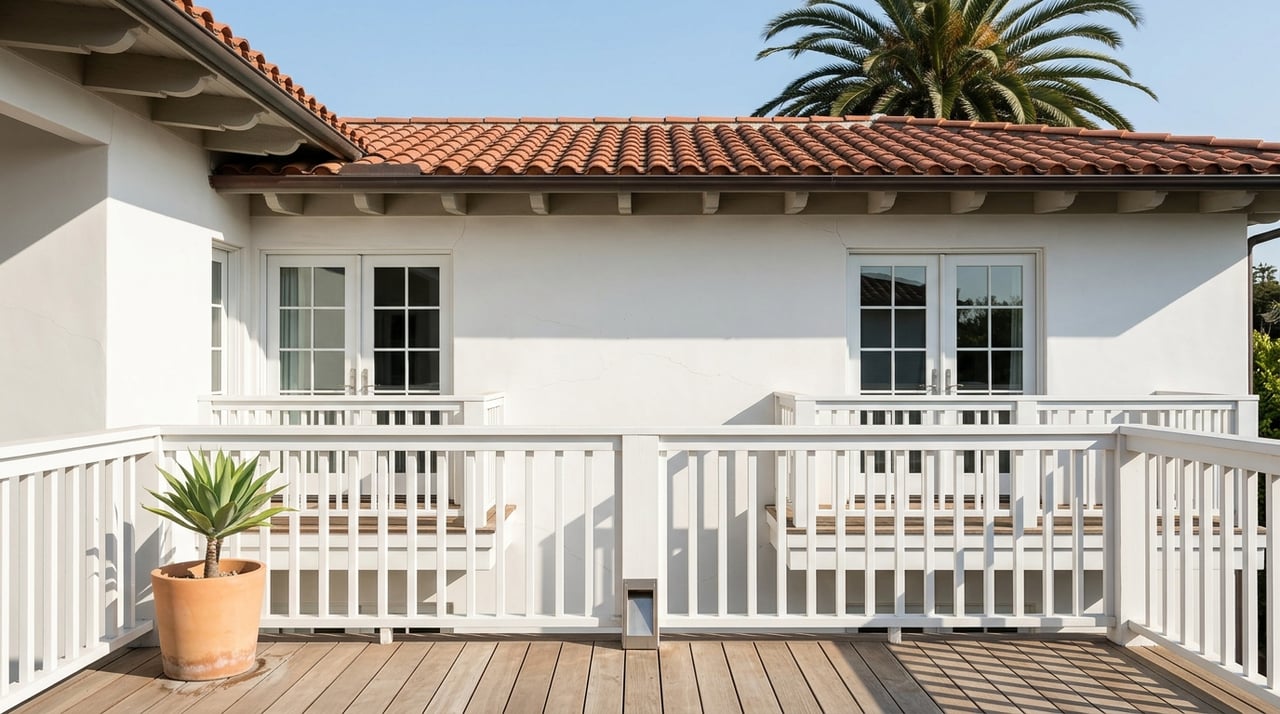
Pacific Beach Neighborhoods Guide for Every Lifestyle
June 11, 2026
June 11, 2026
What makes Pacific Beach feel so memorable is that it is not just one thing. You can stand near the boardwalk and feel nonstop movement, then head a little farther inland or toward the bay and find a much calmer pace. If you are thinking about living, buying, or investing in Pacific Beach, understanding these different pockets can help you find the right fit. Let’s dive in.
Pacific Beach sits along San Diego’s western mid-coastal edge, bordered by the ocean, Mission Bay and Mission Beach, Interstate 5, and La Jolla. According to the City of San Diego, it is primarily a residential community shaped by the Pacific Ocean to the west, Mission Bay to the south, and steep hillsides to the north. That setting helps explain why PB feels like a series of distinct, easy-to-read zones instead of one uniform neighborhood.
For buyers and sellers, that matters. The experience of living near the sand is different from living near Mission Bay or up in the inland hills. Even if the addresses all say Pacific Beach, the day-to-day lifestyle can look very different from block to block.
The beachfront zone is the fastest-paced part of Pacific Beach. City information notes that North Pacific Beach stretches from Tourmaline to Crystal Pier, while Pacific Beach continues south from Crystal Pier before becoming Mission Beach. This stretch is known for surfing, lifeguard-supervised swimming, and a boardwalk that runs along much of the coastline.
If you picture classic PB energy, this is probably what comes to mind. Tourmaline Surfing Park anchors the north end, Crystal Pier is one of the area’s best-known landmarks, and the boardwalk keeps people moving by bike, skateboard, or foot throughout the day. It is active, visible, and connected to the water at nearly every turn.
In this pocket, the beach often shapes your routine. You can check the surf, head out for a walk, and find food or drinks nearby without needing much of a plan. San Diego tourism materials also note that this area sees heavier summer crowds, and parking can be a challenge.
The same sources point out that the beachfront from Crystal Pier to Pacific Beach Drive includes bathrooms, pockets of dedicated parking, beach rentals, and nightlife that continues inland along Garnet Avenue. That mix gives the area a lively, visitor-facing feel. For some people, that is exactly the appeal.
The housing pattern near the beach generally feels more compact and more mixed-use than inland areas. The city planning framework distinguishes between single-family and multifamily areas and channels more intensity toward corridor locations. In practical terms, that helps explain why the blocks closest to the coast often feel more condo- and apartment-oriented than the quieter residential streets farther inland.
If you want easy beach access and a more active setting, this zone may feel like home. If you prefer a little more separation from the busiest parts of PB, one of the other pockets may be a better match.
The bay side of Pacific Beach has a noticeably different mood because Mission Bay offers a different kind of waterfront experience. The City of San Diego describes Mission Bay Park as a 4,600-acre aquatic park with 27 miles of shoreline, 19 sandy beaches, eight official swimming areas, close to 14 miles of bike paths, boat launches, and walking paths.
That setup creates a pace that feels easier and more relaxed. Instead of surf conditions and boardwalk traffic, the bay side is better known for paddling, sailing, picnicking, and long bike rides. It is still active outdoors, but the energy is softer.
Crown Point is one of the best examples of the bay-adjacent lifestyle. The city describes Crown Point North, Middle, and South as offering grassy park space, sandy beach, barbecue grills, fire rings, a boat launch, and summer swimming areas. Those amenities support a park-first environment where people gather, spread out, and stay awhile.
This part of Pacific Beach can feel more like a neighborhood outdoor living room than a visitor strip. You have calm water, open lawns, and room for low-key time outside. If the beachfront is about motion, the bay edge is more about pause.
For buyers who want water access without the same level of coastal activity, the bay-adjacent pocket can be very appealing. You still get the benefits of being close to the shoreline, but with a different everyday feel. That can matter a lot if your ideal weekend looks more like a picnic, paddle, or sunset walk than a busy boardwalk scene.
From a lifestyle perspective, this area often appeals to people who want Pacific Beach access with a calmer outdoor rhythm. It is one of the reasons PB can serve a wide range of preferences without losing its coastal identity.
As you move inland, Pacific Beach rises toward the hills. The city’s community plan notes that the coastal plain rises to steep hillsides to the north near La Jolla. That change in topography creates a pocket that feels more residential and more connected to day-to-day neighborhood routines.
The city also identifies amenities such as Kate Sessions Park, Pacific Beach Recreation Center, Pacific Beach Taylor Library, and Pacific Beach Community Park as important local anchors. Together, these spaces support a more everyday version of Pacific Beach living. It feels less like a destination and more like a place where people settle into regular routines.
Kate Sessions Park is the best-known inland landmark. City and tourism materials describe it as a major Pacific Beach park with wide-open grassy areas and broad views across La Jolla, the beaches, and downtown San Diego. That combination of elevation, open space, and views gives this pocket a distinct identity.
For many people, this area offers a nice balance. You are still close to the coast, but you have a little more separation from the constant activity near the beachfront. That can make the inland hills feel quieter, more grounded, and more residential.
Based on the city’s planning framework, inland and hill-adjacent blocks generally read as more residential and lower-key than the beachfront. The community includes both single-family and multifamily areas, and much of it was built out after 1930. Combined with the hilly terrain, that suggests a mix of older detached homes, smaller multifamily pockets, and quieter side streets.
For buyers comparing different parts of PB, this distinction is useful. If you want to stay in Pacific Beach but prefer a less transient feel, the inland areas may be worth a closer look. Sellers in these locations can also benefit from marketing that highlights views, open space access, and neighborhood convenience.
If Pacific Beach has a common meeting point, it is Garnet Avenue. City sources describe PB as a haven for restaurants, pubs, shops, and access to Mission Bay, while local tourism materials note that the bar scene on and around Garnet includes craft beer bars, cocktail lounges, coffee shops, and restaurants. Discover Pacific Beach, the local business improvement district, is centered on Garnet Avenue and describes itself as the district’s business hub.
That matters because Garnet is where the beachfront, bay side, and inland neighborhoods overlap in everyday life. Even if you live in one of the quieter pockets, this corridor often becomes part of your weekly routine. It is where errands, dining, and social plans tend to come together.
From a real estate perspective, Garnet helps unify the neighborhood. It gives Pacific Beach a strong commercial spine and a clear sense of connection between its different vibe zones. That shared access is part of what makes PB work so well for people who want variety close to home.
You can live near the hills and still be minutes from the coast-facing activity. You can live near the bay and still be close to dining and shopping. Garnet is not just a busy street. It is part of the structure that holds Pacific Beach together.
If you are trying to picture Pacific Beach at a glance, this quick breakdown helps:
This is why Pacific Beach appeals to such a wide range of buyers and homeowners. You are not choosing just a zip code. You are choosing a rhythm.
When you understand Pacific Beach in smaller pockets, you make better decisions. Buyers can focus on the kind of daily experience they actually want, not just the general idea of living in PB. Sellers can position their home more clearly by highlighting the lifestyle strengths of its exact location.
That local context is especially valuable in a neighborhood with so much variety packed into one coastal community. A condo near the boardwalk, a property near Crown Point, and a home close to Kate Sessions Park may all offer very different experiences. Knowing how those zones feel helps you move forward with more clarity and confidence.
If you are exploring Pacific Beach as your next move, a neighborhood-first approach can make the search much more productive. And if you are preparing to sell, it can shape a stronger story around what makes your location stand out.
Pacific Beach is one of San Diego’s most recognizable coastal neighborhoods, but its real charm is in the contrast. From the social beachfront to the calm bay edge to the quieter inland hills, each pocket offers a different version of coastal living. If you want help understanding which part of PB fits your goals best, connect with Sophia Russo for thoughtful, local guidance.
Stay up to date on the latest real estate trends.
Start your San Diego move with confidence. Connect with Sophia today and get clear guidance, honest support, and a strategy tailored to your next big step.