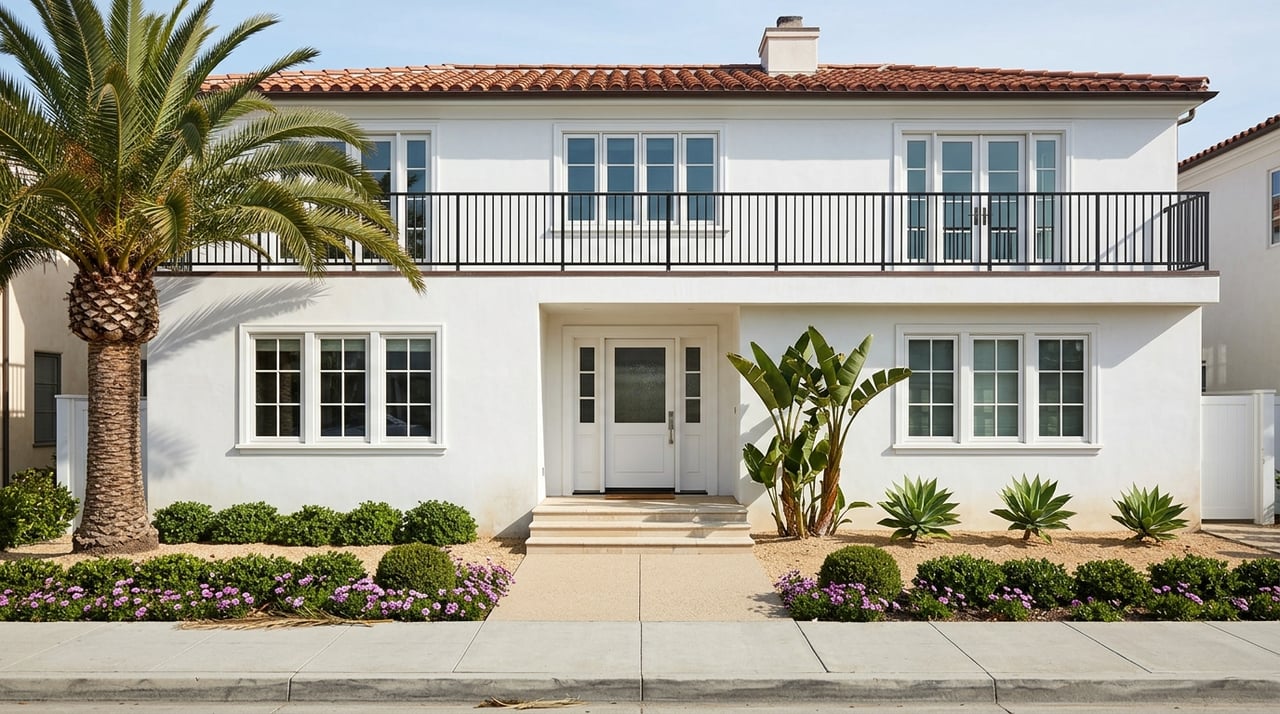
La Jolla Walkable Neighborhoods: Where You Can Live Car-Light
June 4, 2026
June 4, 2026
If you picture La Jolla as one big walkable beach town, the reality is a little more nuanced. Some parts of La Jolla make it easy to stroll to coffee, dinner, parks, or the shoreline, while other areas feel much more car-dependent because of hills, canyons, and residential-only streets. If walkability matters to your lifestyle, this guide will help you understand where that really shows up in La Jolla and which neighborhoods are worth a closer look. Let’s dive in.
La Jolla is not uniformly walkable. According to the City of San Diego, the community is about 99% built out, and its main commercial anchors are concentrated in the Village, the Shores, and Bird Rock.
That matters because walkability in La Jolla tends to show up in specific pockets, not across the whole community. In other words, your day-to-day experience can change a lot from one address to the next, even within the same ZIP code.
If your goal is to live where you can do the most on foot, the Village is the strongest option in La Jolla. The City defines the Village as the area bounded by Prospect Street, Girard Avenue, and Torrey Pines Road, and it functions as the community’s historic coastal core.
This is where you get the clearest version of a car-light lifestyle. The district includes boutiques, art galleries, specialty shops, restaurants, and easy access to the ocean, all within a compact area.
The Village also stands out because it combines shopping and dining with civic and outdoor amenities. The city lists the La Jolla Recreation Center, the La Jolla/Riford Library, and nearby coastal spaces like La Jolla Cove, Cuvier Park, Ellen Browning Scripps Park, and Children’s Pool in and around this area.
Walk Score places the Village at 88 out of 100, which is rated as “Very Walkable.” For many buyers, that makes it the best all-around answer if you want daily convenience, coastal access, and the ability to leave the car parked more often.
The Village often works well if you want a lively, central setting with a wide mix of amenities nearby. It can be especially appealing if you value being close to restaurants, shops, parks, and shoreline access all in one area.
It is also helpful for buyers relocating to La Jolla who want a straightforward starting point. If you are learning the area for the first time, the Village gives you one of the easiest lifestyle patterns to understand.
Bird Rock offers a different kind of walkable living. Instead of the more visitor-oriented energy you may feel in the Village, Bird Rock is known for a neighborhood-scale business district that supports everyday routines.
The Bird Rock Community Council describes the heart of the area as a merchant district spanning about 3.5 blocks of La Jolla Boulevard from Midway Avenue to Camino de la Costa. That stretch includes nearly 100 businesses, with a mix of local shops, surf shops, restaurants, fitness studios, coffee spots, and boutique uses.
That business mix is a big reason Bird Rock is so attractive to buyers who want convenience without feeling like they are in the center of a busy commercial core. Walk Score rates Bird Rock at 74 out of 100, also in the “Very Walkable” range.
Transit also helps support this area. MTS Route 30 runs through the La Jolla Boulevard and Bird Rock corridor, which can make it easier to get around without relying on a car for every trip.
Bird Rock is often the best fit if you want walkability tied to a strong neighborhood identity. You can get coffee, a casual meal, or a quick errand done on foot, while still feeling connected to a smaller-scale coastal setting.
For many buyers, that balance is the appeal. You get useful daily convenience, but the experience can feel more relaxed and local than a busier destination district.
La Jolla Shores is another important pocket to know, especially if your idea of walkable living centers more on the beach than on dense retail. It does have a compact pedestrian-oriented commercial area, but it is not as errand-rich as the Village or Bird Rock.
The city’s design manual describes the La Jolla Shores Shopping Center as a roughly five-acre commercial area along both sides of Avenida de la Playa, from La Jolla Shores Drive west to Camino del Sol. The area is intended to function as a small-scale, centrally located commercial center with pedestrian orientation.
The beach is the major lifestyle anchor here. The City of San Diego notes that La Jolla Shores is about 1 mile long and includes permanent lifeguards, restrooms, showers, fire pits, a playground, a boat launch, and public transportation.
Kellogg Park adds to that everyday coastal appeal with a large grassy park and playground at the beach. Walk Score places La Jolla Shores at 49 out of 100, which means it is better described as somewhat walkable rather than truly walk-everywhere.
La Jolla Shores can be a strong match if you want a beach-centered routine and like having a compact commercial area nearby. You may still drive more often than you would in the Village or Bird Rock, but the lifestyle value can be very strong if beach access is your priority.
This is a good reminder that walkability is not one-size-fits-all. For some buyers, walking to the sand, park, or waterfront is more important than walking to a long list of daily errands.
Some parts of La Jolla sit close enough to walkable corridors that they deserve a closer look, even if they do not function as full errand districts. Lower Hermosa is one of those areas.
Walk Score places Lower Hermosa at 49 out of 100, while a La Jolla Boulevard location in Lower Hermosa scores 54 out of 100. That suggests you may get some convenience depending on the exact block, but you should not assume the same level of walkability you would find in Bird Rock or the Village.
Windansea is better understood as a scenic beach lifestyle pocket than a commercial one. The city describes it as a surf-focused rocky shore with public transportation, which supports access, but not necessarily a full walk-to-everything routine.
These in-between pockets can work well if you want to stay near the coast and keep some walkable options in reach. Still, the experience can vary sharply based on your exact location.
That is especially true in La Jolla, where a few blocks can mean the difference between walking to coffee and driving for most errands. If walkability is high on your list, location precision matters.
If walkability is one of your top priorities, the hillside areas deserve extra caution. The difference between coastal corridors and hillside neighborhoods in La Jolla is significant.
Walk Score rates Muirlands at 18 out of 100, La Jolla Heights at 25 out of 100, and La Jolla Alta at 16 out of 100. Those scores fall clearly into car-dependent territory.
That does not make these neighborhoods less desirable overall. It simply means they serve a different kind of lifestyle, one where driving is a more regular part of everyday living.
If you want the strongest overall walkable lifestyle, focus on the Village. It offers the highest walk score among the La Jolla pockets covered here, along with the densest mix of shops, dining, civic uses, and coastal access.
If you want a neighborhood feel with solid day-to-day convenience, Bird Rock may be your best fit. It is one of the easiest places in La Jolla to picture a routine built around local businesses and shorter walks.
If beach access matters more than dense retail, La Jolla Shores deserves a close look. It offers a lighter version of walkability, but a very strong coastal lifestyle.
If you are considering Lower Hermosa or nearby coastal edges, think of them as a compromise. You may be close to walkable zones, but your exact block will shape your experience more than the neighborhood name alone.
For buyers, the biggest takeaway is simple: La Jolla offers walkable pockets, not blanket walkability. If walking to daily essentials matters to you, your home search should start with the neighborhood pattern, not just the broader La Jolla label.
For sellers, this also matters when positioning a home. A property near the Village, Bird Rock’s merchant district, or the Shores commercial core may appeal to buyers looking for a lighter car lifestyle, while hillside properties may attract buyers prioritizing other features.
In a market as location-sensitive as La Jolla, lifestyle fit often comes down to details. Understanding those details can help you make a smarter move, whether you are buying your first coastal condo, relocating, or preparing to sell.
If you want help comparing La Jolla neighborhoods block by block, Sophia Russo offers local guidance backed by responsive service, clear advice, and deep knowledge of coastal San Diego.
Stay up to date on the latest real estate trends.
Start your San Diego move with confidence. Connect with Sophia today and get clear guidance, honest support, and a strategy tailored to your next big step.