Pacific Beach Home Selling Tips for Pricing & Prep
March 24, 2026
March 24, 2026
Selling in Pacific Beach is different. Two homes a few blocks apart can attract very different buyers and prices based on beach access, views, and even which side of the avenue you’re on. If you want a faster, stronger sale, you need a pricing plan grounded in local comps and a smart prep list that removes buyer objections. In this guide, you’ll learn how Pacific Beach agents build price, which upgrades pay off here, and how to time your launch for maximum interest. Let’s dive in.
Pacific Beach isn’t one market. Oceanfront, bayfront, near Garnet, and inland streets each behave differently, and condos do not track detached homes. Local reports for the 92109 area show meaningful spreads by home type and even by block. Review recent activity in your exact micro-neighborhood using tools like the 92109 Local Market Update to see real list-to-sale dynamics and days on market.
A Comparative Market Analysis compares your home with the most similar recent sales. The process agents use is straightforward and data-driven:
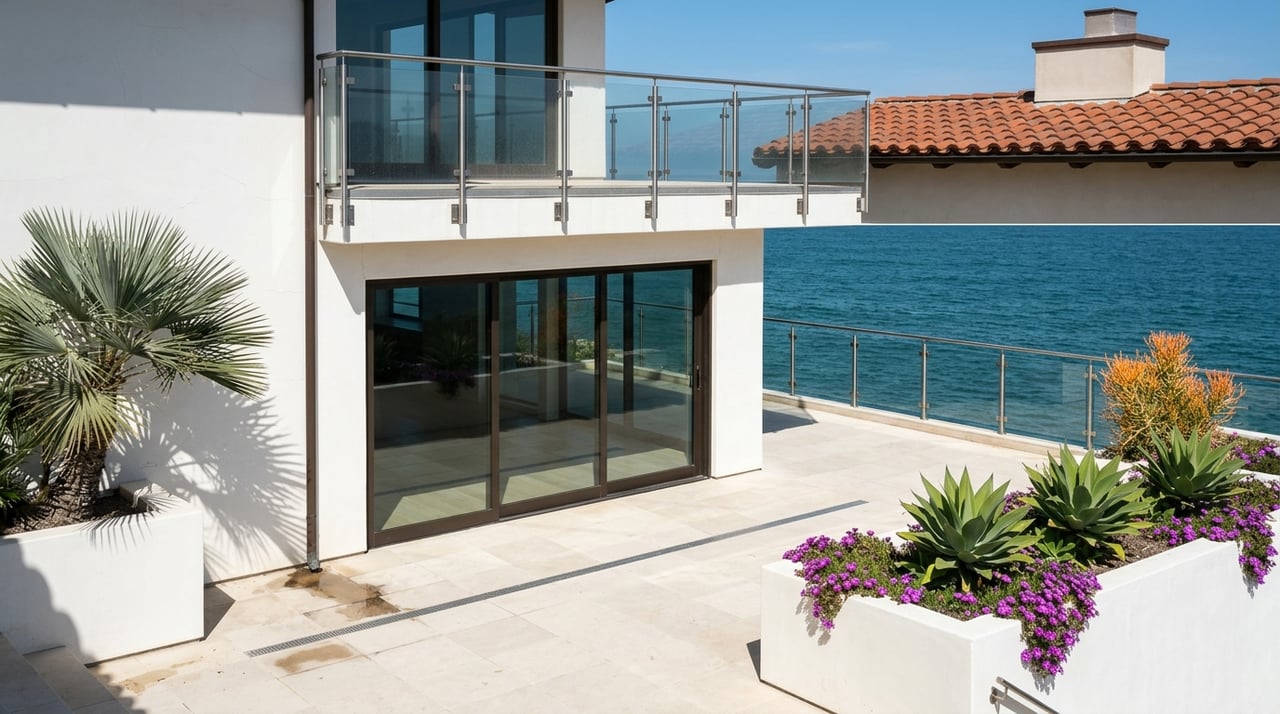
In Pacific Beach, walk time to the sand and view corridors are major price drivers. Oceanfront or unobstructed views often command a premium, and bayfront homes can benefit from water access appeal. Use paired sales in your CMA to isolate how much buyers in your area paid for similar homes with and without those features.
Buyers filter for lifestyle in PB. Dining on Garnet, the boardwalk, Crystal Pier, outdoor recreation, and easy beach access all raise initial interest. In marketing, lifestyle images and copy matter. Highlight proximity and show how the home lives day-to-day to capture that demand, as noted in local neighborhood overviews that emphasize walkability and beach culture.
San Diego’s Short-Term Residential Occupancy program sets license tiers, caps, and rules that affect who can rent and how often. If your property has a license, verify its status and whether it can transfer to a buyer. If it does not, understand your eligible tier before pricing, since this can expand or narrow your buyer pool. Review the City’s official STRO requirements to avoid surprises.
Some Pacific Beach sections face coastal exposure. Disclose known natural hazard zones and review potential insurance or lender impacts early. The Scripps Institution of Oceanography outlines California sea-level rise and planning considerations that can be helpful context when discussing long-term coastal exposure. Balanced disclosure builds trust and protects your deal.
A focused prep plan does more than look good in photos. It removes barriers to offers and supports your price. Use this sequence when planning 3 to 12 months out.
Address roof leaks, system failures, and visible structural issues first. California sellers must disclose known material facts on the Transfer Disclosure Statement, so tackle anything that could spook buyers or surface during inspections.
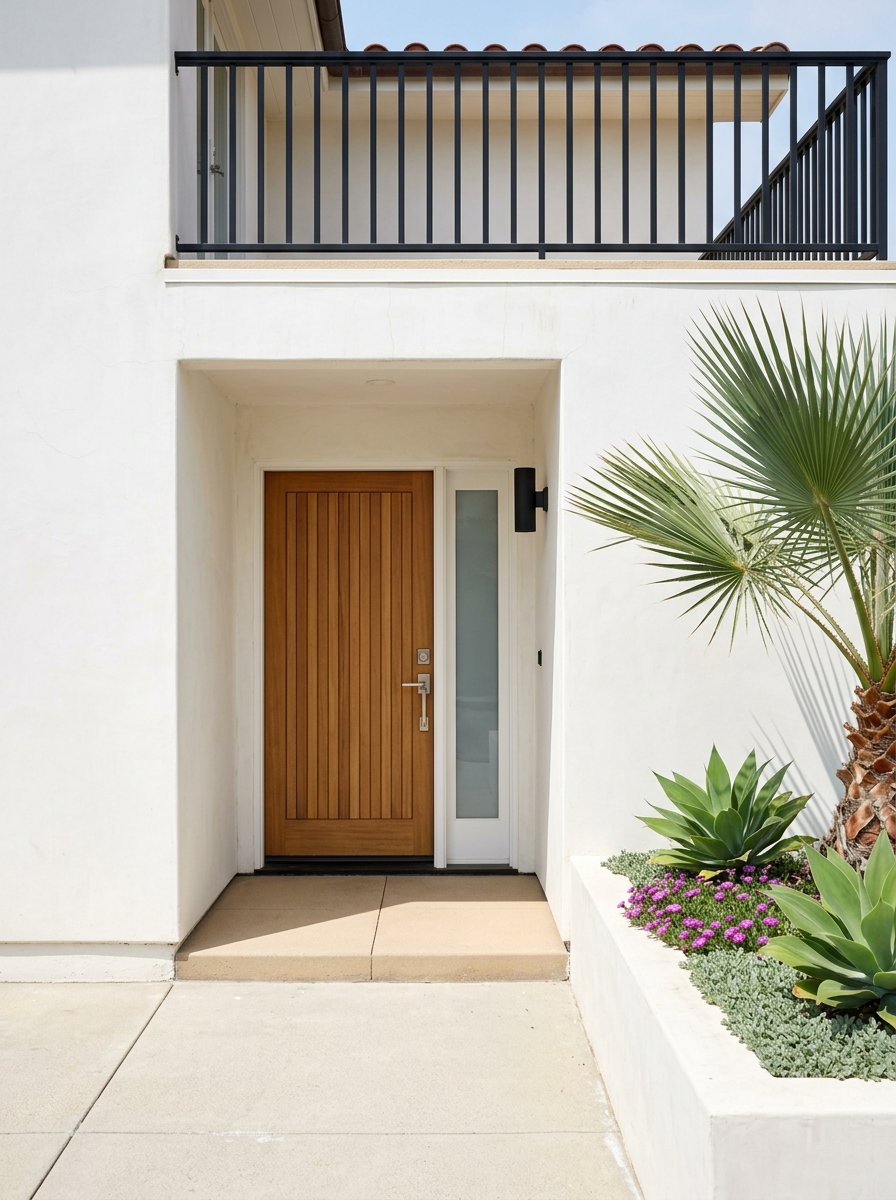
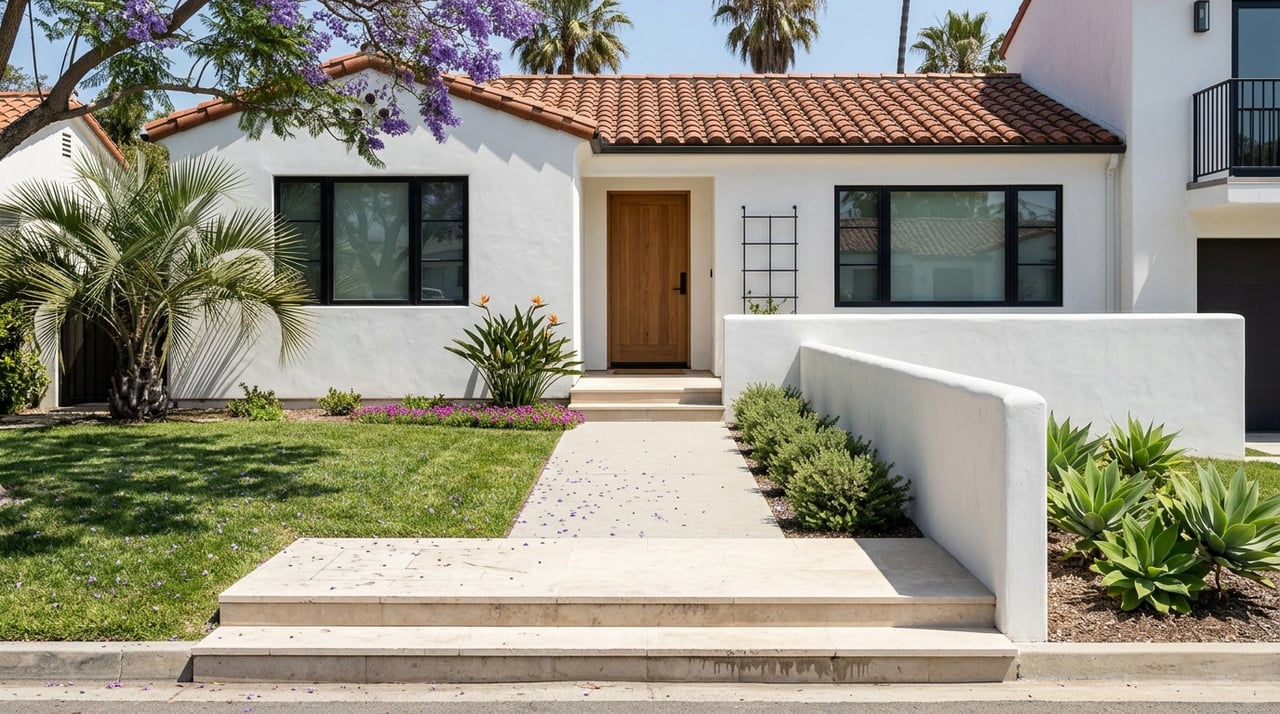
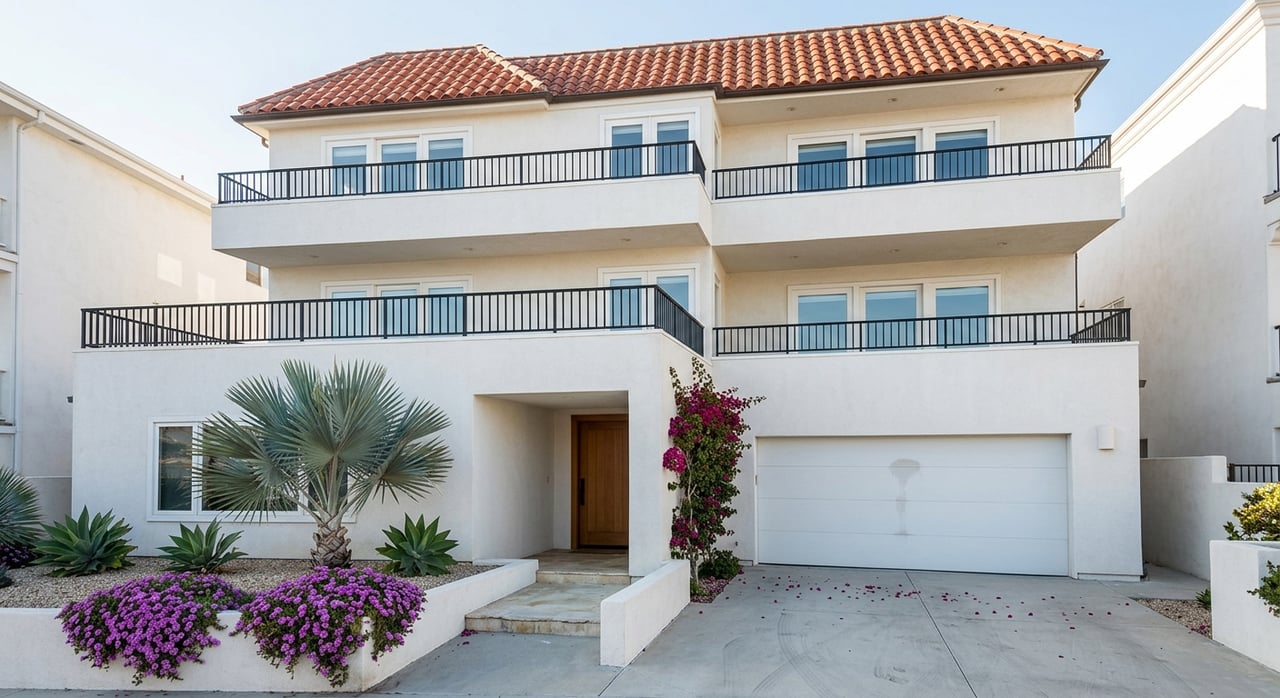
Small exterior wins go a long way: pressure wash, trim landscaping, and refresh the entry or garage door. National Cost vs Value data shows front and garage door projects consistently among the highest recouping improvements. In a beach market, a clean, inviting exterior sets the tone for showings and photos.
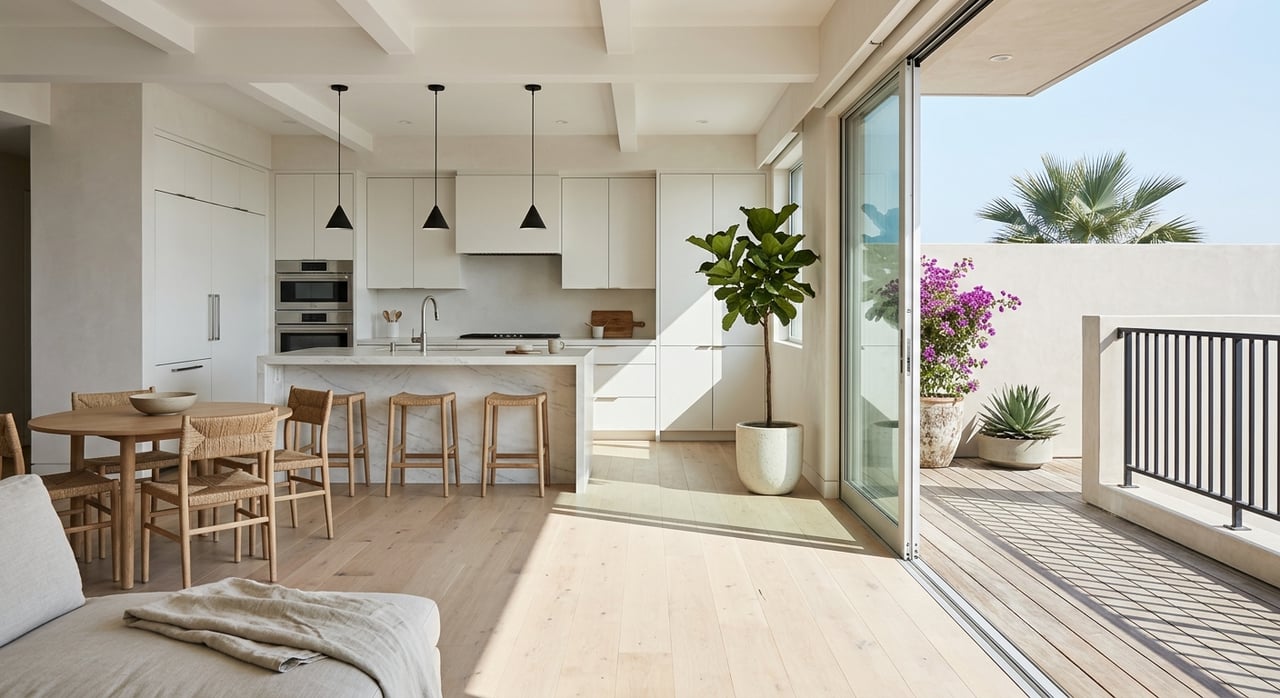
Fresh, neutral paint, updated lighting, and clean or repaired floors are low-cost, high-impact moves. Listings that feel bright and neutral photograph better and attract more showings. Staging research from the National Association of REALTORS shows many agents see shorter time on market and improved offer quality when homes are presented well.
Skip the full gut unless your comps support it. Instead, focus on visible refreshes like countertops, hardware, faucet and lighting swaps, and appliance upgrades. According to national Cost vs Value trends, minor kitchen remodels often recoup more than major projects.
Refinish hardwoods where possible or replace worn carpet. Then stage the living room, kitchen, and primary bedroom to help buyers visualize scale and flow. NAR’s staging data indicates a measurable lift in buyer perception and, in many cases, fewer days on market.
Consider pre-list inspections for roof, HVAC, sewer lateral, and termite, especially in older properties. Finding and fixing issues before you list reduces negotiation friction and helps you price with confidence.
If you’re selling a condo or townhome, request the HOA resale packet early. Reserve studies, budgets, meeting minutes, and rules can take time to compile. Clear, complete HOA documents support buyer confidence and speed up escrow.
If cash flow is a concern, the Compass Concierge program can front the cost of approved improvements like painting, staging, flooring, and inspection remediation, with nothing due until closing, subject to program terms. Done right, this compresses your timeline and elevates your launch-day presentation.
Compass provides agents with market and AI-powered tools that surface engagement data and buyer behavior. Your agent can pair MLS comps with these insights to fine-tune your price band, test messaging, and focus marketing on the most likely buyer profiles. This helps you react quickly during the critical first two weeks on market.
Prepare the Transfer Disclosure Statement and required natural hazard information early. Complete, on-time disclosures reduce risk of delays and post-closing issues.
It is customary in California for sellers to pay the documentary transfer tax, although this is negotiable. Confirm exact costs and any city-specific fees with your agent before listing so you can plan net proceeds accurately.
Pricing and preparation in Pacific Beach are hyper-local. When you use block-level comps, account for beach proximity and views, and invest in the right pre-list improvements, you expand your buyer pool and protect your price. Pair that with a data-aware launch in the first two weeks, and you set yourself up for a smooth sale and strong results.
If you’re planning to sell in the next 3 to 12 months, let’s build your custom pricing and prep plan. Reach out to Sophia Russo to get your free home valuation and a step-by-step strategy for your Pacific Beach sale.
Stay up to date on the latest real estate trends.
Start your San Diego move with confidence. Connect with Sophia today and get clear guidance, honest support, and a strategy tailored to your next big step.