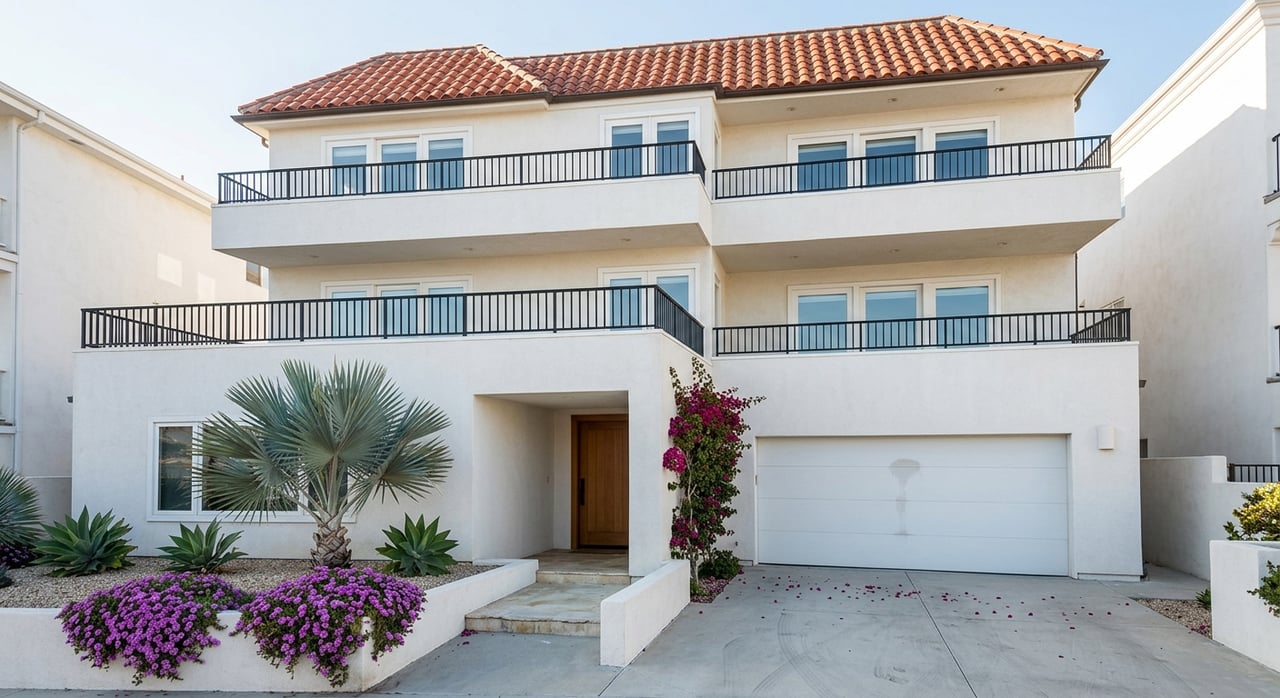
Is Moving to Pacific Beach San Diego the Right Move?
April 23, 2026
April 23, 2026
Wondering whether Pacific Beach is the right place to call home? If you are drawn to coastal living, easy beach access, and an active San Diego lifestyle, PB can check a lot of boxes. But it also comes with real tradeoffs, including parking pressure, seasonal crowds, and a price point that still sits firmly in the premium range. This guide will help you weigh the pros, the compromises, and the market realities so you can decide with confidence. Let’s dive in.
Pacific Beach is a primarily residential coastal community on the western edge of San Diego’s mid-coastal region. According to the City of San Diego’s Pacific Beach community plan, the area is defined by coastal bluffs, Pacific Ocean beaches, and Mission Bay, with much of the neighborhood built out after 1930.
That matters because PB does not feel like a brand-new master-planned area. It feels established, coastal, and shaped by decades of growth, planning updates, and land-use rules. If you like neighborhoods with a strong sense of place, that can be a major plus.
For many people, the biggest reason is simple: you can live close to the water and enjoy that lifestyle every day. The City’s Pacific Beach page notes that the beach sits just south of Crystal Pier, extends toward Mission Beach, and is one of the busiest beach areas in San Diego.
You also get practical public amenities that support day-to-day use. The city lists parking, restrooms, showers, public transportation access, and a permanent lifeguard station, which makes the beach more than just a scenic backdrop. It becomes part of your routine.
Beyond the sand and surf, PB appeals to buyers who want an active neighborhood with energy. If you enjoy being in a place that feels lively rather than sleepy, Pacific Beach often delivers that experience better than quieter inland areas.
Pacific Beach is not centered on a rail line, but it does offer transit options that connect you to key parts of San Diego. MTS bus routes currently show Route 9 serving Pacific Beach via SeaWorld and Old Town, Route 27 connecting to Kearny Mesa Transit Center, Route 30 running between Old Town and UTC, and Route 83 linking Old Town to Downtown San Diego.
For you, that means getting around without relying on a single direct rail route. Transit is possible, but it usually involves combining routes depending on where you work or spend time. If walkability to the beach matters more than rail convenience, that tradeoff may feel worth it.
Pacific Beach is expensive, even by broader San Diego standards. Zillow reports an average home value of $1,383,549 as of March 31, 2026, which was down 1.5% year over year.
At the same time, Realtor.com’s Pacific Beach overview lists a February 2026 median listing price of $1,319,000 and a median rental price of $3,265. So while PB may come in below some nearby coastal neighborhoods, it is still not a low-cost option.
If you are comparing Pacific Beach with other coastal areas, the same Realtor.com data shows nearby Coastal San Diego at a $2.25 million median list price, La Jolla at $2.889 million, Mission Beach at $1.95 million, and Bay Park at $1.625 million. In other words, PB often sits in an upper-cost tier, but usually below La Jolla and Mission Beach in current asking-price terms.
Right now, Pacific Beach looks more balanced than overheated. Realtor.com reported 111 homes for sale, 208 rentals, a median 33 days on market, and homes selling for an average of 2.83% below asking, with a 97% sale-to-list ratio.
That is useful if you are buying because it suggests there may be room to negotiate. It is also useful if you plan to sell in the future, because it shows that pricing, presentation, and property details still matter. Homes are not simply selling on hype alone.
Pacific Beach is one of San Diego’s busiest beach areas, according to the city. That means you should expect more foot traffic, more summer visitors, and a more active environment than you would find in many inland neighborhoods.
If you are sensitive to noise or want very quiet evenings year-round, your exact block will matter a lot. Homes closer to the beach and commercial core will often feel different from homes farther away from the busiest activity zones.
Parking is one of the biggest practical issues in Pacific Beach. The City of San Diego’s Community Parking District page says Pacific Beach is one of seven active community parking districts and uses tools like metered parking, curb evaluations, and mobility improvements.
The city specifically notes installed meters on Garnet Avenue between Mission Boulevard and Fanuel Street, along with some blocks of Cass, Hornblend, and Bayard. Those meters operate from 10 a.m. to 8 p.m. Monday through Saturday, cost $1.25 per hour, and have a two-hour maximum.
That same city page also notes that the Beach Bug shuttle pilot ended on October 31, 2024. Taken together, these details show that parking demand has been significant enough for the city to actively manage it.
Even if PB is less expensive than some nearby coastal markets, it still requires a substantial budget. For both buyers and renters, the cost of location is real.
If your top goal is getting the most square footage for your money, Pacific Beach may not be your best fit. If your top goal is living near the coast and enjoying that lifestyle every week, the premium may feel more justified.
Pacific Beach is often a strong fit if you want:
It may be a smart choice if you value location and daily experience more than perfect parking or a quieter suburban atmosphere. For many buyers, that is exactly the trade they want to make.
Pacific Beach may be less ideal if you want:
This does not make PB better or worse than another area. It simply means the neighborhood tends to work best for buyers whose priorities match its strengths.
From a long-term perspective, Pacific Beach has some strong fundamentals. The community plan history points to an established neighborhood pattern, a coastal planning framework, and past density reductions in much of the multi-unit stock.
That suggests supply expansion is harder here than in newer inland areas. In many markets, constrained supply can help support long-term value, especially in desirable coastal locations.
Still, not every property performs the same way. In Pacific Beach, practical details like parking, noise exposure, condition, and maintenance can make a big difference in buyer demand and resale appeal.
Before you move to Pacific Beach, ask yourself a few honest questions:
If your answers line up with PB’s strengths, the neighborhood can be a compelling option. If your must-haves include quiet streets, easy parking, and lower housing costs, you may be happier exploring other parts of San Diego.
Pacific Beach can be a great place to live if you want coastal energy, everyday beach access, and an established San Diego neighborhood with lasting appeal. It is not the quietest or cheapest option, but for the right buyer, it offers a lifestyle that is hard to replicate elsewhere.
If you want help comparing Pacific Beach with nearby coastal neighborhoods or narrowing down which part of PB fits your goals, working with a local expert can save you time and help you avoid expensive mistakes. When you are ready to talk through your options, connect with Sophia Russo for clear, responsive guidance tailored to your move.
Stay up to date on the latest real estate trends.
Start your San Diego move with confidence. Connect with Sophia today and get clear guidance, honest support, and a strategy tailored to your next big step.