Thinking about buying a vacation rental in Pacific Beach? You are not alone. Demand for San Diego beach stays is strong, but strict city rules and new tax rates mean you need a clear plan before you write an offer. In this guide, you will learn the local regulations, how to model revenue and costs, which property types perform, and the due diligence steps that protect your investment. Let’s dive in.
Why Pacific Beach stays book well
San Diego is a top leisure destination, with more than 30 million annual visitors and record visitor spending that supports resilient lodging demand. The walkable, beach‑centric lifestyle in Pacific Beach attracts weekenders, summer families, and event travelers who value proximity to the sand, restaurants, and the boardwalk. That mix can translate into strong weekend and summer pricing when your property is positioned well.
On the purchase side, Pacific Beach is a premium coastal micro‑market. The neighborhood’s median sale price sits around the low‑to‑mid seven figures, with a recent median near about $1.35 million, which helps you set realistic acquisition budgets. If you plan to buy, expect competition for well‑located condos, cottages, and small single‑family homes.
Know the rules first: STRO and TOT
Before you underwrite returns, confirm how San Diego’s Short‑Term Residential Occupancy rules and local lodging taxes apply to your plan.
STRO license tiers and caps
San Diego requires a Short‑Term Residential Occupancy license for rentals of less than one month. The city uses four tiers that separate part‑time, home‑share, and whole‑home rentals by location. Key points that affect investors:
- A host may hold only one STRO license and may not operate more than one dwelling as a short‑term rental at a time.
- Whole‑home licenses outside Mission Beach are capped at 1% of the city’s housing units, which makes non‑owner whole‑home permits scarce.
- Licenses are not transferable. You cannot rely on taking over a seller’s license at closing.
- Whole‑home hosts must use their license at least 90 days per year to keep it in good standing.
Review the city’s official guidance here: San Diego STRO rules and license tiers.
What this means for your plan
Scarcity and the one‑license‑per‑host rule cap your scale. If you purchase without an active Tier 3 allocation that you can legally hold after closing, you may face a lottery or waitlist for a future license. If your goal is occasional whole‑home use below 90 nights, that schedule is not allowed for non‑owner whole‑home hosts, so you will need to adjust the strategy.
Transient Occupancy Tax and business registration
Stays of less than one month are subject to San Diego’s Transient Occupancy Tax. Effective May 1, 2025, the city adopted Measure C, which set three TOT zones with rates of about 11.75% to 13.75% depending on the location. Booking platforms may collect and remit, but you are responsible for registration and compliance. You must also comply with Rental Unit Business Tax requirements if you rent more than six days per year. Review the city’s tax details and zone lookup on the San Diego TOT page.
Medium‑term stays: the 31+ night option
San Diego’s short‑term rules and TOT focus on stays of less than one month. Bookings of 31 nights or more are typically not subject to TOT and are not treated as STRO, which creates a viable alternative for many investors. Medium‑term guests often include remote workers, relocating families, and snowbirds who prefer fewer turnovers and longer stays.
Two cautions: first, other business taxes and lease requirements may still apply. Second, the STRO ordinance has a 90‑day minimum utilization for whole‑home licenses and a gap for 21 to 89 day annual usage patterns, which complicates hybrid seasonal strategies for non‑owner hosts. If you plan a mix of short and medium stays, confirm classification and day counts with the city before you buy.
What performs best in Pacific Beach
High‑demand property types
Investors often see strong performance with:
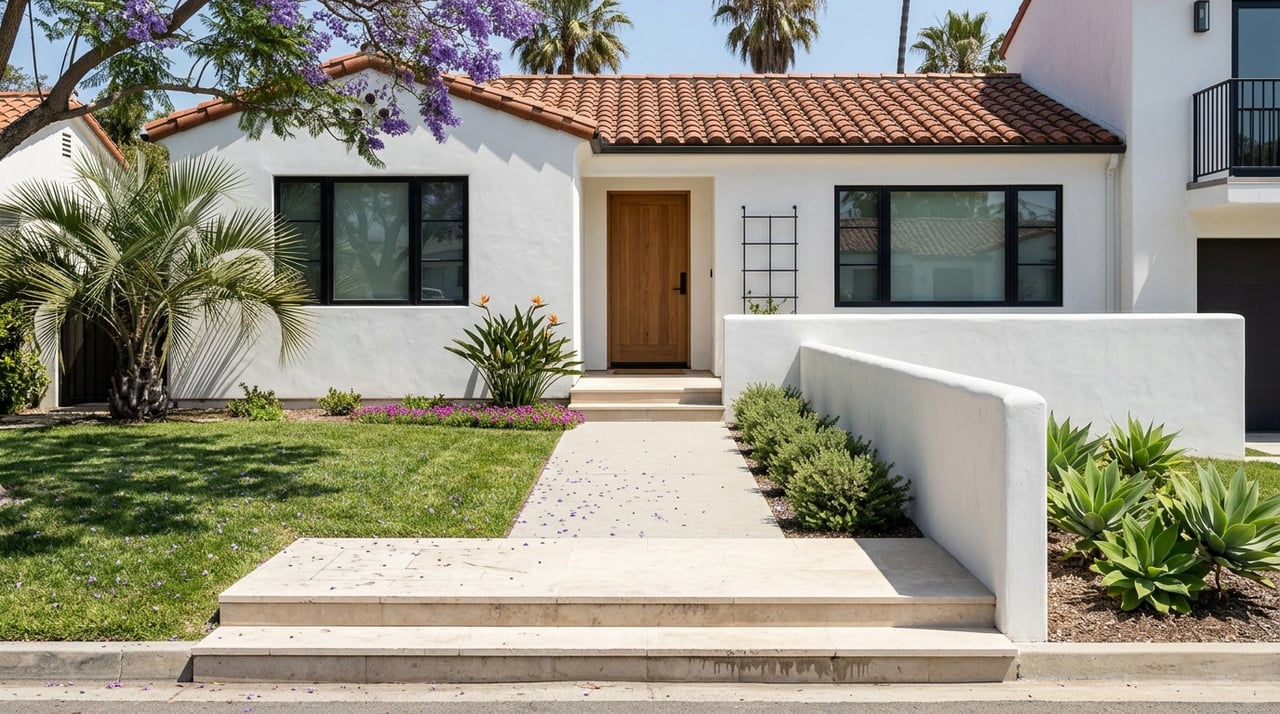
- Small whole‑home cottages and 2 to 3 bedroom homes within a short walk to the sand.
- One to two bedroom condos near Garnet, Grand, or the boardwalk, especially with secured parking.
- Small multi‑unit properties with separate entries where professional management can create operating leverage, as long as licensing rules allow.
Local management summaries point to these formats as reliable performers in coastal neighborhoods and provide useful fee benchmarks for planning. For a deeper dive, review this overview of San Diego property management costs and services.
Must‑have amenities and features
Guests pick Pacific Beach for beach time and convenience. You can win bookings and higher pricing with:
- Walkability to the beach and boardwalk, plus secure storage for bikes and boards.
- Dedicated parking, which is scarce and highly valued in beach neighborhoods.
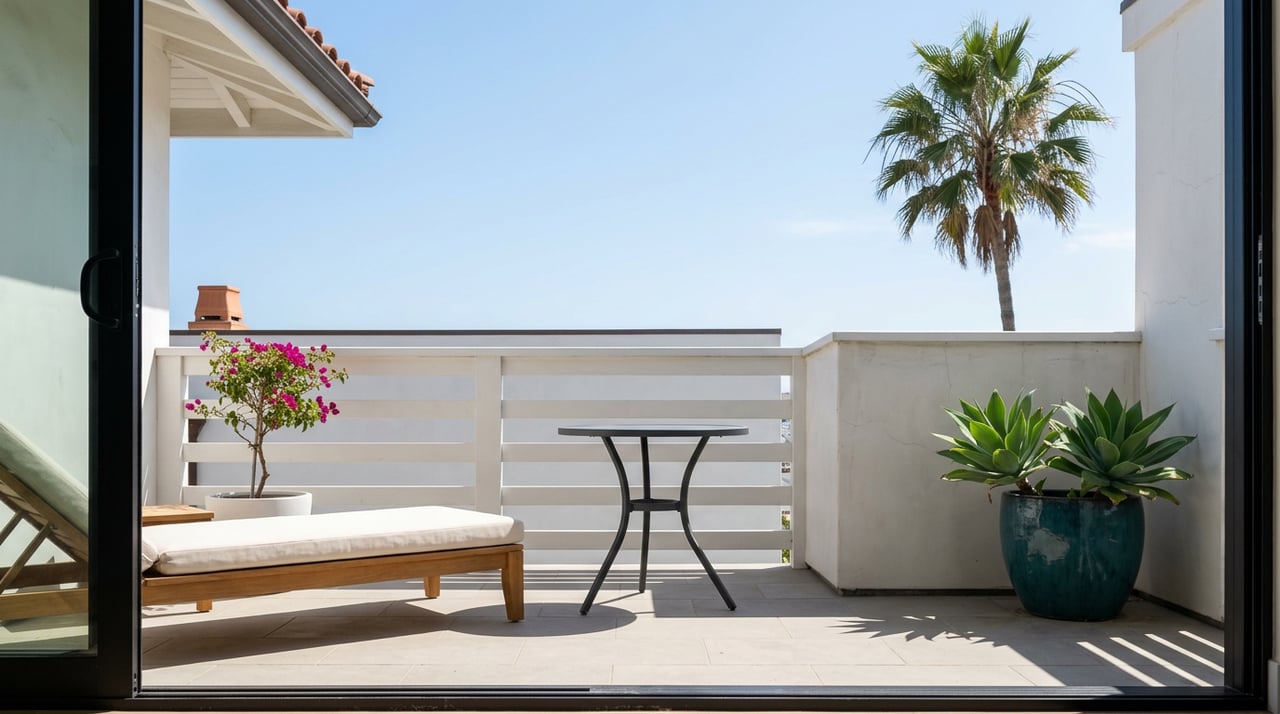
- Outdoor space like a deck or rooftop and fast, reliable Wi‑Fi with a work‑friendly desk.
- Contactless self‑check‑in and a responsive local contact. The city requires a local contact who can respond to complaints within one hour under its STRO rules.
How much can you make? A simple model
Every block, building, and floor plan performs differently, so use paid data for exact projections. That said, neighborhood summaries for coastal San Diego show average daily rates in the low‑to‑mid $300s and average occupancy often in the 50% to 65% range, depending on location and quality. You can use that range to build conservative, mid, and upside scenarios for a first pass. See market‑wide figures referenced in this industry roundup: California’s best Airbnb markets overview.
Here is an illustrative pro forma for a 1 bedroom Pacific Beach condo using methodology and estimates similar to recent local summaries. Always replace with parcel‑level data from a paid vendor before you invest.
- Assumptions: ADR $300, occupancy 55%. Gross revenue estimate = $300 × 0.55 × 365 ≈ $60,225. Source methodology and local examples: How much can a San Diego Airbnb make.
- Taxes and fees: apply a TOT of about 12% for modeling. Estimated TOT ≈ $7,227, leaving $52,998.
- Management: full‑service management at 20% ≈ $10,600. Remainder ≈ $42,400.
- Operating costs: cleaning, supplies, and laundry can total around $4,000 per year for a 1 bedroom with moderate turnover. STR‑specific insurance often ranges from $1,000 to $3,000+ annually depending on coverage. Utilities, routine maintenance, HOA dues, and platform fees vary by property.
In this scenario, your estimated net operating cash flow before mortgage and property taxes may land around $33,000 to $35,000. This is an example, not a guarantee. Use your target property’s exact ADR, occupancy curve, and cost lines to refine results.
Sensitivity check you can run quickly:
- If ADR moves ±15% while occupancy holds, gross revenue changes by roughly the same percentage.
- If occupancy moves ±10% while ADR holds, gross revenue shifts by about that percentage.
- Combine both for a range that captures seasonality and market competition.
Operating costs to budget
Getting the cost side right is just as important as modeling revenue. Build a conservative budget that includes:
- Management: full‑service STR management in San Diego commonly runs about 15% to 30% of gross revenue. See current ranges and service levels in this San Diego management fee guide.
- Cleaning and turnovers: plan per‑stay cleanings and mid‑stays for longer bookings. Coastal 1 to 2 bedroom units often see a wide range based on scope and quality.
- Insurance: many homeowner policies exclude STR activity. Review STR‑specific coverage and budget roughly $1,000 to $3,000+ per year depending on liability limits and amenities. A quick primer on costs is here: short‑term rental insurance cost guide.
- Fixed and variable expenses: property taxes, HOA dues, utilities, internet, landscaping, minor repairs, guest supplies, platform commissions, and a reserve for furnishings and replacements.
Zoning, ADUs, and HOA rules
Two structural issues can make or break feasibility:
- ADUs: current city rules generally prohibit using accessory dwelling units as short‑term rentals. Confirm your parcel’s overlay status and any coastal permitting triggers before planning additions. Review the city’s guidance on the short‑term residential occupancy program.
- HOAs: many condo communities restrict short‑term rentals or impose minimum lease terms. California’s HOA laws shape what associations can and cannot do, but coastal overlays add complexity. Always review CC&Rs and get written confirmation of policy. For context on recent state rules, see this overview of HOA rental restrictions.
Risks to plan for
Every investment has tradeoffs. Keep these front of mind as you underwrite and operate:
- Regulatory risk: license scarcity, a one‑license limit per host, a 90‑day minimum for whole‑home licenses, and non‑transferable licenses.
- HOA risk: minimum lease terms or explicit bans can block STRs in certain buildings.
- Neighborhood and enforcement: Pacific Beach is active and engaged. You must provide a local contact who can respond within one hour and follow the Good Neighbor Policy.
- Insurance and liability: pools, hot tubs, and motorized equipment can change coverage needs and premiums.
- Market competition: summer demand is strong, but shoulder and winter seasons require sharp pricing and standout amenities.
A practical due diligence checklist
Run this list alongside your property search so you can move decisively when the right home hits the market.
- Confirm the parcel is inside the City of San Diego and review the STRO rules and application info. Note the one‑license limit and non‑transferable licenses.
- Look up the property’s TOT zone and rate on the city’s TOT page to model gross‑to‑net pricing impacts.
- Order a paid neighborhood‑level report for ADR, occupancy, and seasonality from a reputable vendor. This overview of AirDNA and similar tools explains what to expect.
- If buying a condo, review CC&Rs and obtain written HOA confirmation on minimum lease terms and any caps. See background on HOA rental rules.
- Get quotes for STR‑specific insurance and align coverage with amenities. A cost primer is here: short‑term rental insurance cost guide.
- Interview two to three local managers. Compare fee structures, dynamic pricing strategies, guest communication standards, and sample P&Ls. A fee overview is available in this San Diego management guide.
- Verify financing options early. If you will not owner‑occupy, ask about DSCR or portfolio loans and model cash flows with conservative rates and reserves.
Partner with a local expert
Buying a vacation rental in Pacific Beach can be a smart, lifestyle‑friendly investment when you combine accurate data with precise compliance. If you want help pressure‑testing a property, connecting with trusted managers, or navigating city rules and HOA reviews, reach out to Sophia Russo for a focused, investor‑minded strategy session.
FAQs
How do San Diego’s short‑term rental licenses work in Pacific Beach?
- San Diego requires a STRO license for stays of less than one month, limits hosts to one license, caps whole‑home licenses outside Mission Beach, and requires at least 90 days of annual use to keep a whole‑home license active. See the city’s STRO page for details.
What is the Transient Occupancy Tax for Pacific Beach vacation rentals?
- The city uses a three‑zone system with rates around 11.75% to 13.75% for stays of less than one month, and you must register and comply even if platforms collect on your behalf.
Can I use an ADU in Pacific Beach as a short‑term rental?
- Current city guidance generally prohibits ADUs from being used as short‑term rentals, and coastal overlays may add permit steps for physical changes.
Do Pacific Beach condo HOAs allow short‑term rentals?
- Many condo HOAs restrict short‑term rentals or set minimum lease terms; always review CC&Rs and get written confirmation from the association before you buy.
Are 31+ night rentals subject to San Diego’s STRO rules and TOT?
- Stays of 31 nights or more are typically not treated as STRO and are usually not subject to TOT, though other business taxes and lease rules may apply.
What are typical management fees for a Pacific Beach vacation rental?
- Full‑service vacation rental management in San Diego commonly runs about 15% to 30% of gross revenue, depending on services and scale.